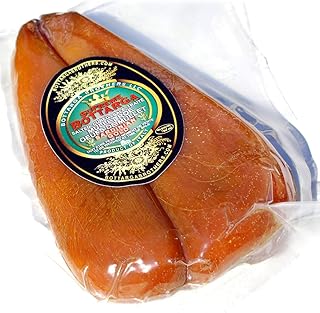
In the pantheon of gourmet ingredients, few possess the ancient pedigree and intense flavor profile of Bottarga. Often referred to as "Sardinian Gold," this salted, cured fish roe has been a cornerstone of Mediterranean cuisine for centuries, prized for its deep umami flavor and versatility. While its origins are humble—a method of preservation developed by coastal communities—today, Bottarga is celebrated by chefs and food enthusiasts worldwide as a luxurious pantry staple that can transform simple dishes into culinary masterpieces.
What Exactly is Bottarga?
At its core, Bottarga is the roe sac of fish, primarily grey mullet (muggine) or tuna, that is salted, pressed, and air-dried until it achieves a firm, waxy consistency. The process, which can take several weeks, concentrates the flavors, resulting in a product that is intensely savory, slightly briny, and rich with oceanic notes. The two most renowned types come from specific Italian regions: the Grey Mullet Roe from Sardinia and the Bluefin Tuna Bottarga from Sicily. Each offers a distinct taste experience, with Sardinian varieties often noted for their finer, more delicate grain and balanced saltiness, while Sicilian tuna bottarga tends to be richer and more robust.
The Star of Sardinia: Authentic Sardinian Bottarga
Sardinia is the undisputed heartland of Bottarga production. Here, the tradition of curing grey mullet roe is passed down through generations, with areas like Cabras being particularly famous. Products like Bottarga Di Muggine from L'Oro di Cabras represent the pinnacle of this craft. When you purchase a whole piece, such as the Smeralda Italian Whole Bottarga, you're getting a versatile ingredient. It can be thinly sliced with a mandoline or sharp knife to be served as part of an antipasto, or grated to finish a dish.
For convenience without sacrificing quality, pre-grated options are excellent. The Sardinian Grated Bottarga or Le Mareviglie Grated Bottarga are perfect for instantly adding a punch of flavor. Many producers also offer Kosher-certified options, like the various weights of "Sardinian Gold" Authentic Sardinian Bottarga, ensuring this gourmet ingredient is accessible to wider audiences.
The Sicilian Counterpart: Bluefin Tuna Bottarga
While Sardinia specializes in mullet, Sicily boasts its own illustrious tradition with tuna. Sicilian Bottarga, made from the roe of the prized Bluefin Tuna, has a darker color, a firmer texture, and a more pronounced, meaty flavor. A product like the Sicilian Grated Bluefin Tuna Bottarga is a fantastic way to explore this variant. Its bold taste makes it ideal for hearty pasta dishes or as a standout topping on crostini.
How to Use Bottarga in Your Kitchen
The beauty of Bottarga lies in its simplicity. It's not an ingredient you cook with, but one you use to finish a dish, allowing its flavor to shine. Here are classic applications:
1. The Ultimate Pasta: This is the most iconic use. Toss spaghetti or linguine with high-quality olive oil, garlic, chili flakes, and a generous amount of grated Bottarga. The heat of the pasta gently melts the roe, creating a luxurious, briny sauce. For a deeper dive into perfecting this dish, check out this guide to using grated Bottarga.
2. Elegant Appetizers: Use a vegetable peeler to create thin ribbons or shavings of whole Bottarga to drape over creamy avocado, burrata, or simply on buttered bread. It pairs wonderfully with the subtle sweetness of fresh seafood like scallops or prawns.
3. Egg-cellent Enhancements: Grate Sanniti Bottarga Cured Mullet Roe over softly scrambled eggs, frittatas, or even a simple fried egg. The umami flavor elevates breakfast to a new level.
4. Salad Finisher: A light grating over a simple tomato and onion salad, or a more complex seafood salad, adds a dimension of salinity and complexity that salt alone cannot provide.
Selecting and Storing Your Bottarga
When choosing a whole Bottarga, look for a piece that feels firm and dense, not soft or spongy. It should have a uniform, deep amber color. A high-quality product like "Sardinian Gold" in a 5oz size is an investment that will last. Once opened, wrap it tightly in parchment paper and then in foil, storing it in the refrigerator. Properly stored, it can keep for months. Grated bottarga should be used more quickly to preserve its aromatic qualities.
For a comprehensive understanding of the different types and their uses, the Ultimate Guide to Italy's Salted Fish Roe Delicacy is an invaluable resource.
Incorporating Bottarga into your cooking is an exploration of taste and tradition. Whether you opt for the delicate nuance of a Sardinian grey mullet roe or the powerful punch of a Sicilian tuna roe, you are adding a piece of Mediterranean history and an explosion of gourmet flavor to your table. Start with a small, grated jar to experiment, and you may soon find yourself reaching for this "poor man's caviar" to crown your favorite dishes.